Table of Contents
What Are Succulents?
If plants had personalities, succulents would definitely be the easy-going ones! These charming little plants store water in their thick, fleshy leaves, which means they can go much longer without a drink than most other houseplants. That’s one of the reasons they’re so popular—they’re beautiful, easy to care for, and come in all kinds of fun shapes, sizes, and colours. Whether you’re a first-time plant parent or already have a growing collection, succulents are a simple way to add a little green and a lot of charm to your home.
Want to learn more about Succulents? Read more on Wikipedia.
Popular Varieties
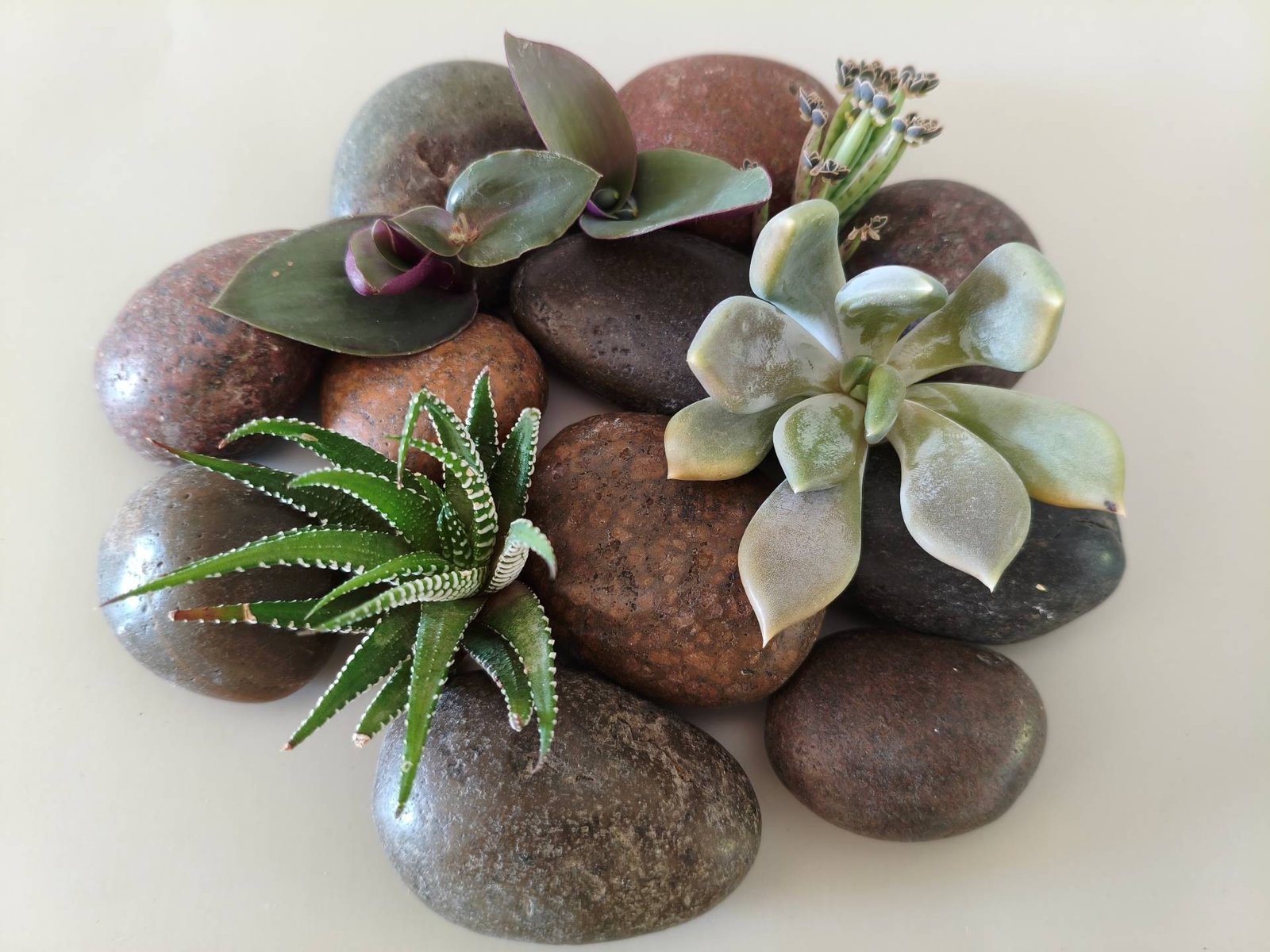
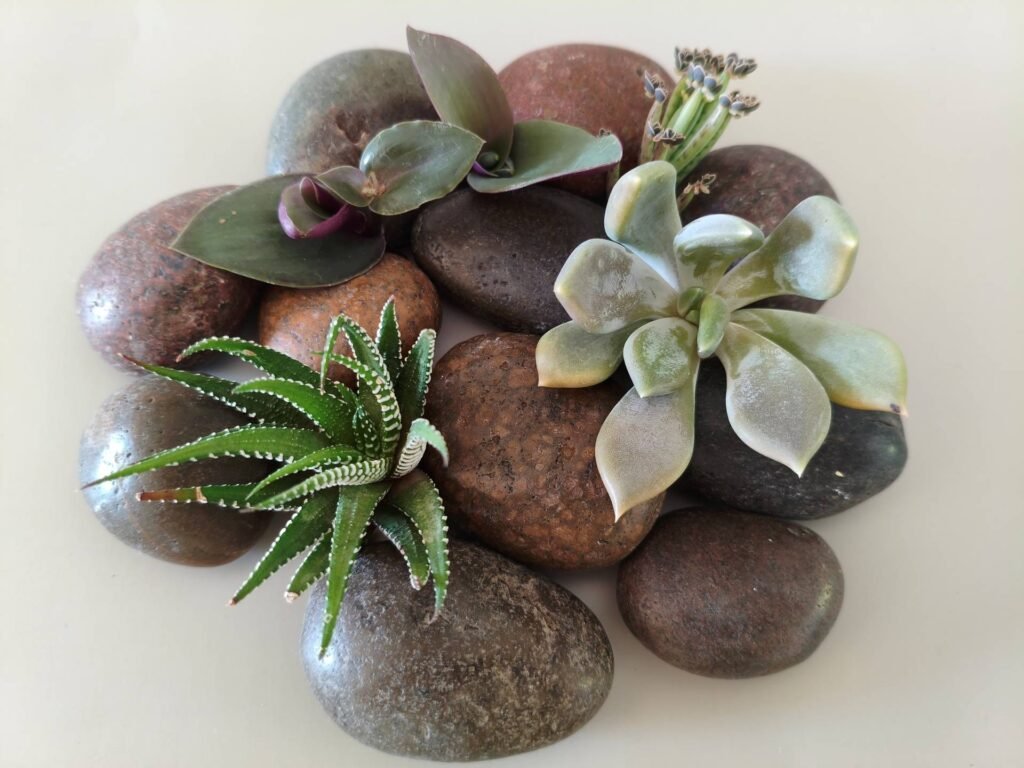
Because of their striking geometric shapes and vibrant colors, many are widely grown indoors and in rock gardens:
- Echeveria: Known for their beautiful, tight, rose-like rosettes.
- Jade Plant (Crassula ovata): Features thick, woody stems and glossy green, coin-shaped leaves.
- Aloe Vera: Famous for its fleshy leaves containing a soothing, gel.
- Haworthia: Small, slow-growing plants with striking white bands or bumpy foliage.
- Snake Plant (Sansevieria): Features stiff, vertical, sword-like leaves adapted to survive dry climates
How to Keep Your Succulents Happy and Health
We have all been there. You buy a super cute, tiny succulent from the store. It looks perfect on your desk. But a few weeks later? It turns into mush or drops all its leaves.
Don’t worry, you are not a bad plant parent!
The secret to succulents is simple: they are desert plants. They store water in their fat, juicy leaves so they can survive a long time without rain. To keep them happy, we just need to treat them like they are still in the desert!
Light Requirements
- Bright Light: Provide at least 4 to 6 hours of bright, direct sunlight daily.
- Indoor Placement: Place them near a South or West-facing window.
- Low-Light Warning: If they stretch out and grow tall, they need more light.
Watering Guide
- Soak and Dry: Pour water until it runs out the bottom drainage hole.
- Let Soil Dry: Never water again until the soil is 100% bone dry.
- Seasonal Check: Water every 1–2 weeks in summer, and only once a month in winter.
- Mist Mistake: Do not spray or mist them with water. It causes rot.
Soil & Pots
Terracotta Pots: Clay pots are best because they absorb excess moisture from the soil.
Drainage Holes: Always use a pot with holes at the bottom to drain excess water.
Gritty Soil: Use a specialized cactus and succulent soil mix.
DIY Mix: Mix regular potting soil with 50% perlite or coarse sand.
Common Mistakes to Avoid
Even easy-care plants can struggle if they’re not given the right conditions. Here are a few mistakes to avoid:
- Watering too frequently.
- Using soil that holds too much moisture.
- Keeping them in low light.
- Choosing pots without drainage holes.
- Letting water collect around the roots.
Why is everyone so obsessed with succulents?
It is hard not to love these little plants! First, they look like living art, coming in beautiful geometric shapes and colors like pastel pink, deep purple, and bright green. ✨
They are the perfect way to add life to a bedroom, desk without taking up much space. Plus, they are the ultimate plant for busy people.✨
Since they hold water in their leaves, they do not mind if you forget to water them for a week or two. They give you all the joy of being a plant parent with almost none of the stress!