Table of Contents
The wick may look like just a simple piece of string, but it’s actually one of the most important parts of a candle. It decides how your candle burns and how evenly the wax melts. Discover the most common candle wick types and find the best for you!
Candle Wick Types
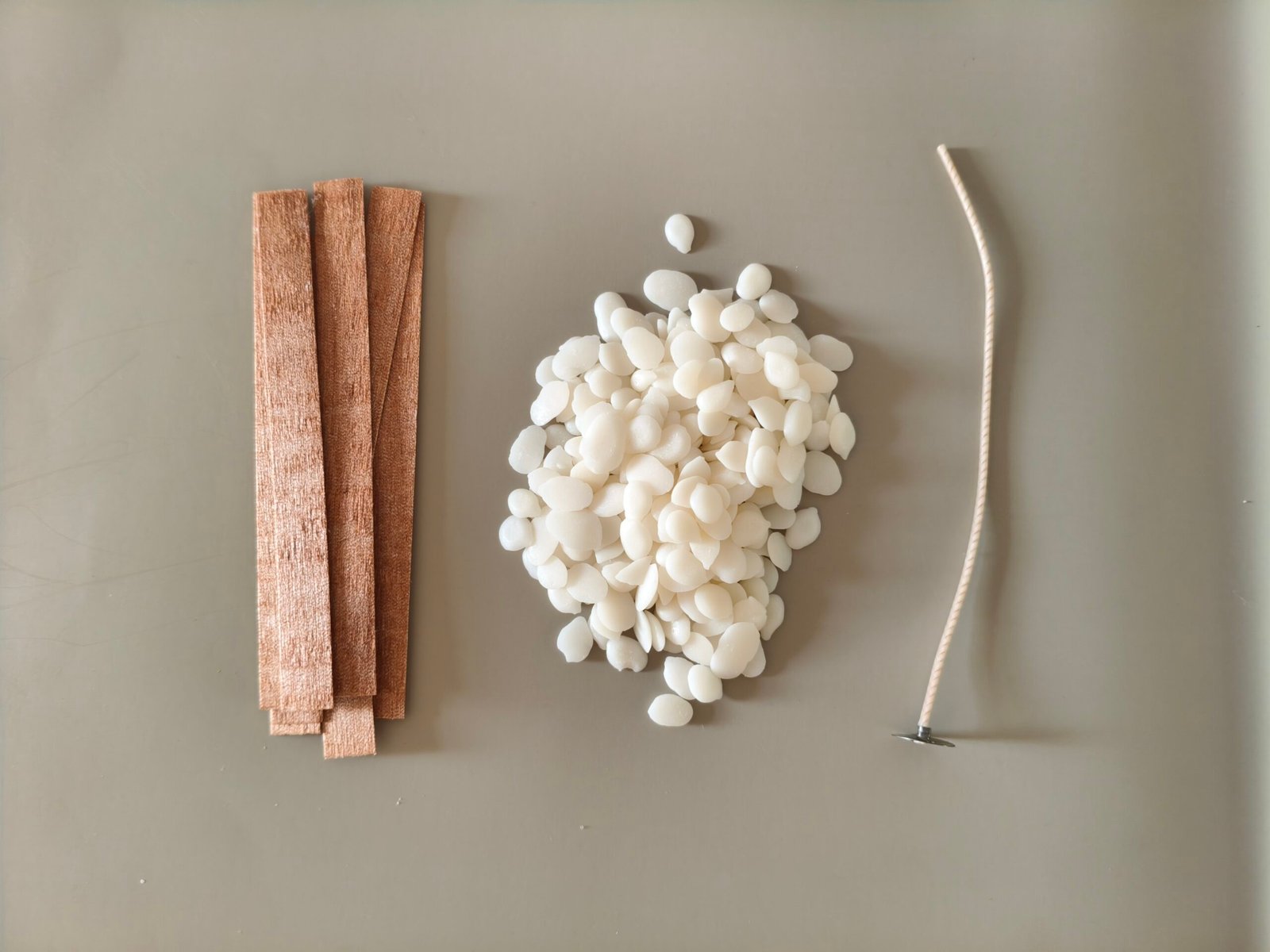
Cotton Wicks
The most common type of candle wicks.
Advantages:
- Easy to use
- Clean-burning when properly sized
- Suitable for most waxes
- Affordable
- Great for beginners
Best for:
- Soy wax
- Beeswax
- Paraffin
- Coconut wax
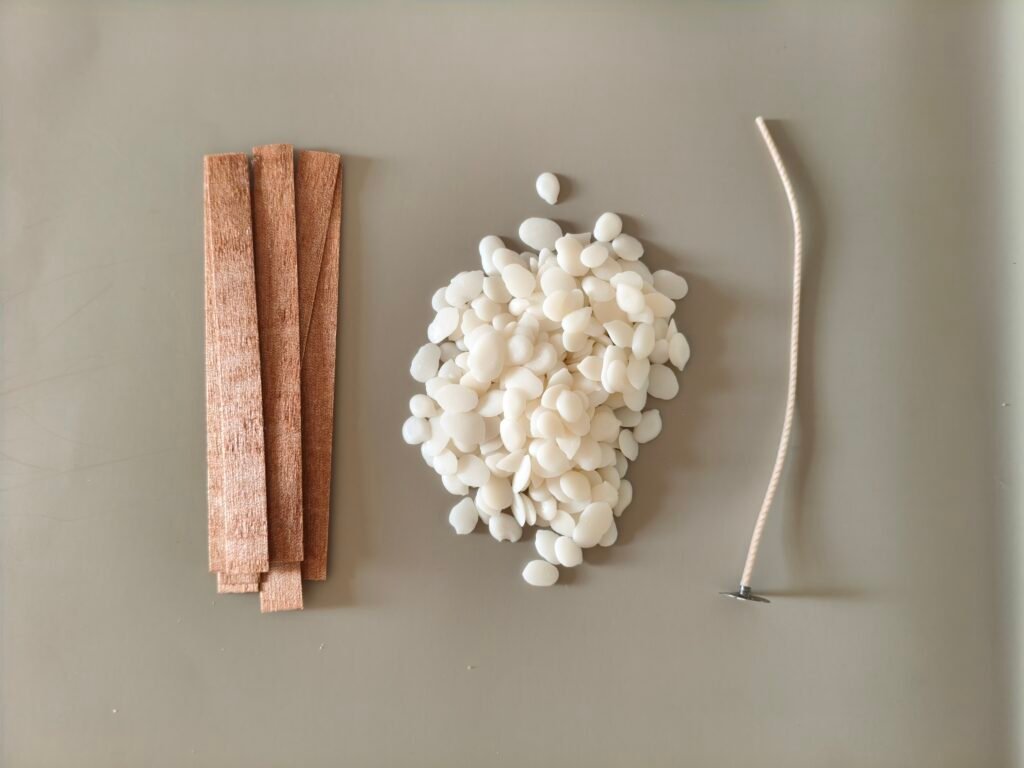
Wooden Wicks
Made from thin strips of natural wood.
Advantages:
- Crackling fireplace sound
- Wide, modern flame
- Elegant appearance
- Perfect for premium candles
Disadvantages:
- Can be trickier to size correctly
- Require careful testing
- May extinguish if not paired with the right wax or container
Zinc-Core Wick
A zinc-core wick is a cotton wick with a thin zinc wire running through its centre. The zinc core helps the wick stay upright while the candle burns, making it especially useful in container candles. Despite the name, the zinc does not burn. It simply provides structure and support.
Advantages
- Stays straight while burning.
- Produces a stable, consistent flame.
- Excellent for container candles.
- Handles fragrance oils well.
- Works well with paraffin and many paraffin-blend waxes.
Disadvantages
- Not as eco-friendly as 100% cotton or wooden wicks.
- Less popular among natural candle makers.
- Many makers of soy and natural candles prefer cotton or wooden wicks instead.
| Wax Type | Common Wick Choice |
|---|---|
| Soy Wax | Cotton, wooden |
| Beeswax | Cotton |
| Paraffin | Cotton, zinc-core |
| Coconut Wax | Cotton, wooden |
| Palm Wax | Cotton |
Want to learn more about Candle wicks? Read more on Wikipedia.
Wick Size Matters
A candle wick isn’t “one size fits all.”
The correct wick depends on:
- Container diameter
- Wax type
- Fragrance load
- Dye
- Container material
- Desired flame size
Even two candles made with the same wax may need different wick sizes if their diameters differ.
What Happens If the Wick Is Too Small?
A wick that’s too small may cause:
- Tunnelling
- Small flame
- Weak scent throw
- Wax left around the edges
- Candle going out
What Happens If the Wick Is Too Large?
A wick that’s too large can cause:
- Very high flame
- Excessive heat
- Fast wax consumption
- Smoking
- Mushrooming
- Soot on the container
How Often Should You Trim a Wick?
For the best burn, trim the wick to about 5–7 mm (¼ inch) before each use. This helps create a cleaner flame, reduces smoke, and can extend the life of your candle.