Author: Martha

  • Preserved Moss: Bring a Little Piece of Nature into Your Home

    Preserved Moss: Bring a Little Piece of Nature into Your Home

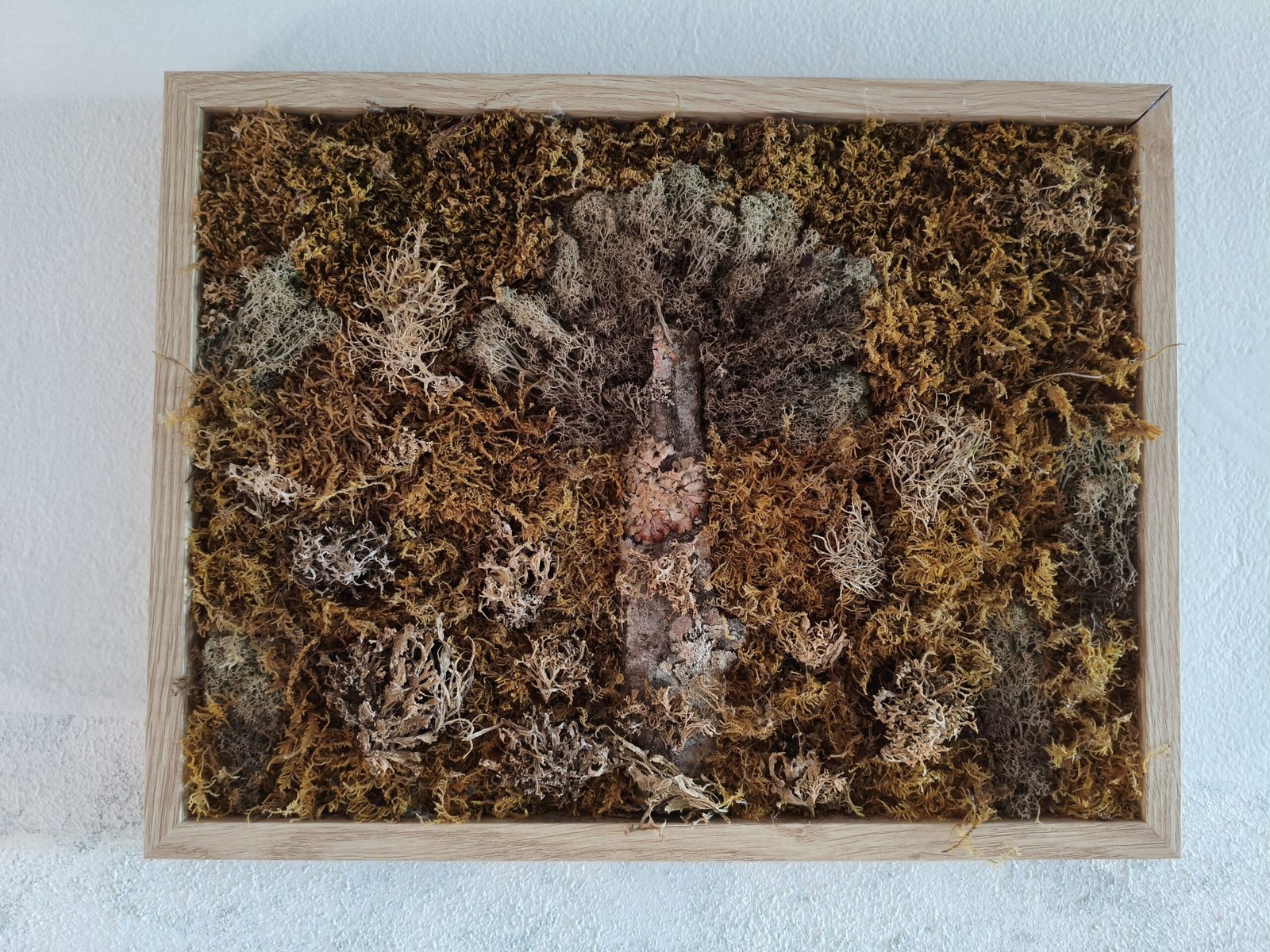
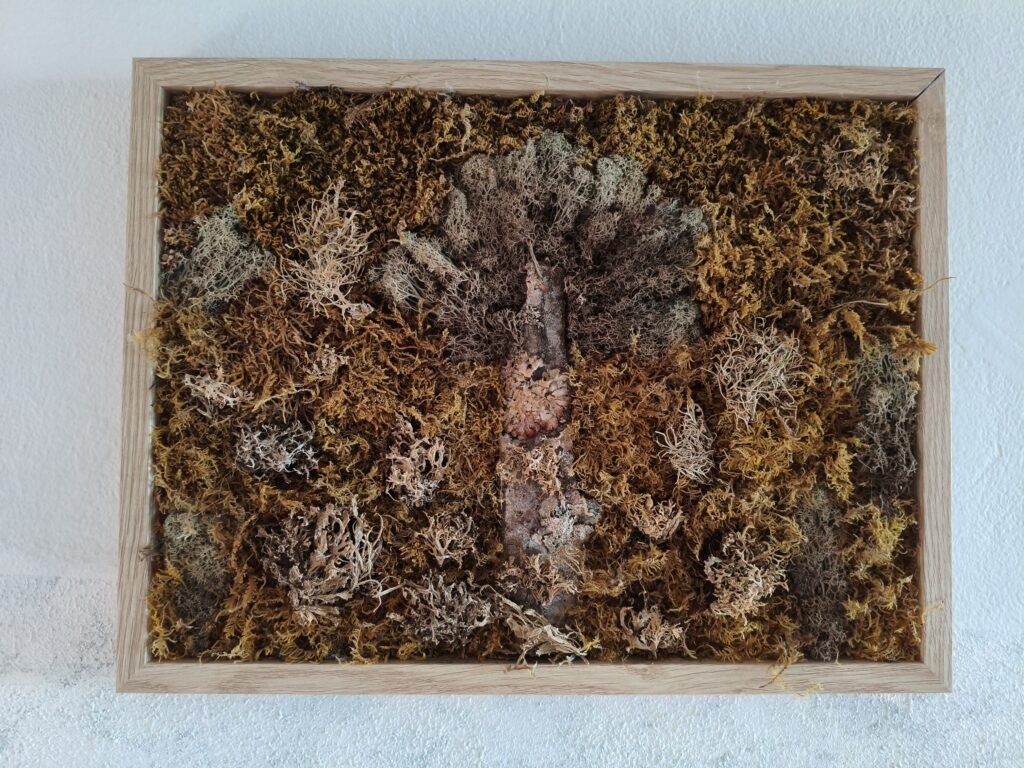
    A preserved moss art featuring a tree in a wooden frame

    Who knew moss could become one of the biggest stars in home décor? Once something you only noticed on forest walks, preserved moss is now popping up in beautiful wall art, centrepieces, and DIY projects everywhere. And the best part? It stays soft and green without asking for a single drop of water!

    It is real moss that has been specially treated to keep its soft texture and beautiful colour. Scientists took real moss and swapped its water with glycerine. This freezes the moss in time. It stays soft and bright green forever. It doesn’t grow, it doesn’t need soil, and it definitely won’t complain if you forget to water it because you shouldn’t water it at all!

    Want to learn more about Natural Moss? Read more on Wikipedia.

    One of the best things about it is how many different ways you can use it around your home.

    Moss Wall Art

    Create beautiful wall art by placing preserved moss inside a wooden frame. Mix different types of moss for extra texture.

    Decorative Trays

    Fill a wooden tray with preserved moss and add candles, small vases for a simple and elegant centrepiece.

    Glass Bowls and Jars

    Arrange preserved moss inside clear glass bowls or jars with pinecones, stones, driftwood, or decorative balls for an easy seasonal display.

    Picture Frames

    Glue small pieces of moss around the edges of a picture frame to give it a natural and unique look.

    Shelf Styling

    Place small pieces of preserved moss next to candles, books, or decorative objects to make shelves feel fresh and inviting.

    Seasonal Decorations

    Preserved moss works beautifully in spring wreaths, Easter decorations, Christmas displays, and many other seasonal DIY projects.

    Here’s the easiest plant-care guide you’ll ever read!

    ✔️ Don’t water it.

    ✔️ Keep it indoors.

    ✔️ Avoid direct sunlight.

    ✔️ Keep it away from strong heat.

    ✔️ Dust it gently.

    That’s it! Easy, right?

    Sometimes the smallest details make the biggest difference, and moss is one of them. It’s simple, beautiful, and adds a natural touch that makes any space feel warmer and more welcoming. It’s easy to work with, long-lasting, and perfect for adding texture, colour, and personality to your DIY projects.

    So if you’re looking for an easy way to give your home a fresh new look, grab some preserved moss and start creating something beautiful. Nature has never been this easy to decorate with! 🌿
  • The Ultimate Beginner’s Guide to Succulents: How to Keep Them Alive!

    The Ultimate Beginner’s Guide to Succulents: How to Keep Them Alive!

    Succulents

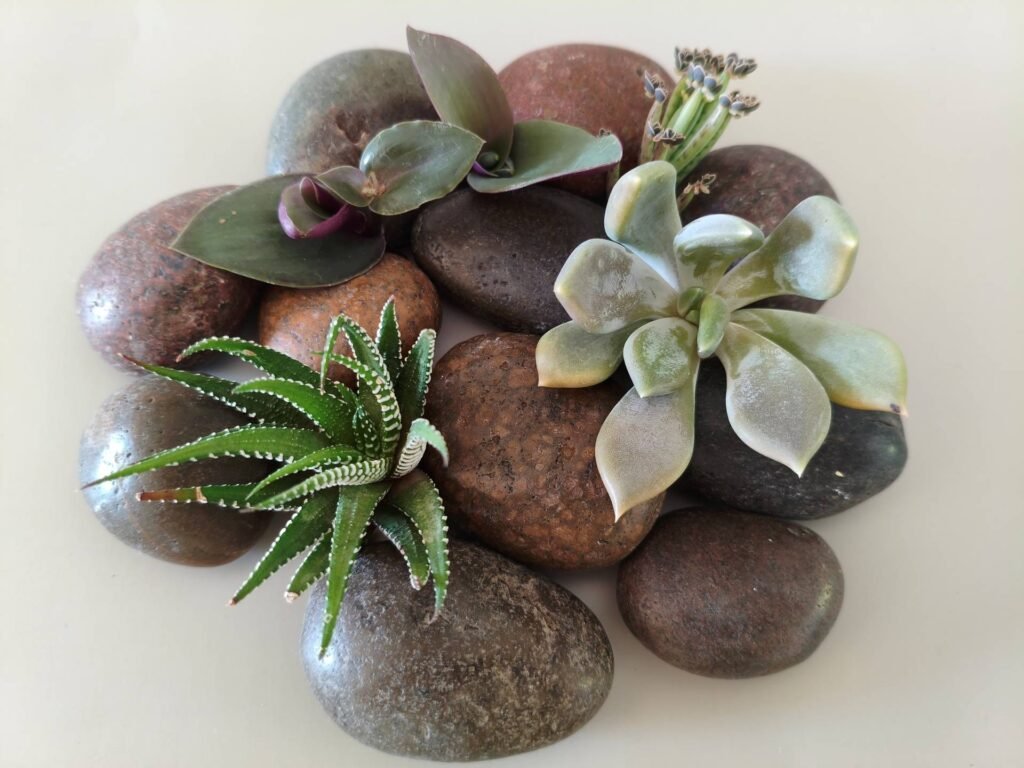
    If plants had personalities, succulents would definitely be the easy-going ones! These charming little plants store water in their thick, fleshy leaves, which means they can go much longer without a drink than most other houseplants. That’s one of the reasons they’re so popular—they’re beautiful, easy to care for, and come in all kinds of fun shapes, sizes, and colours. Whether you’re a first-time plant parent or already have a growing collection, succulents are a simple way to add a little green and a lot of charm to your home.

    Want to learn more about Succulents? Read more on Wikipedia.

    Because of their striking geometric shapes and vibrant colors, many are widely grown indoors and in rock gardens:

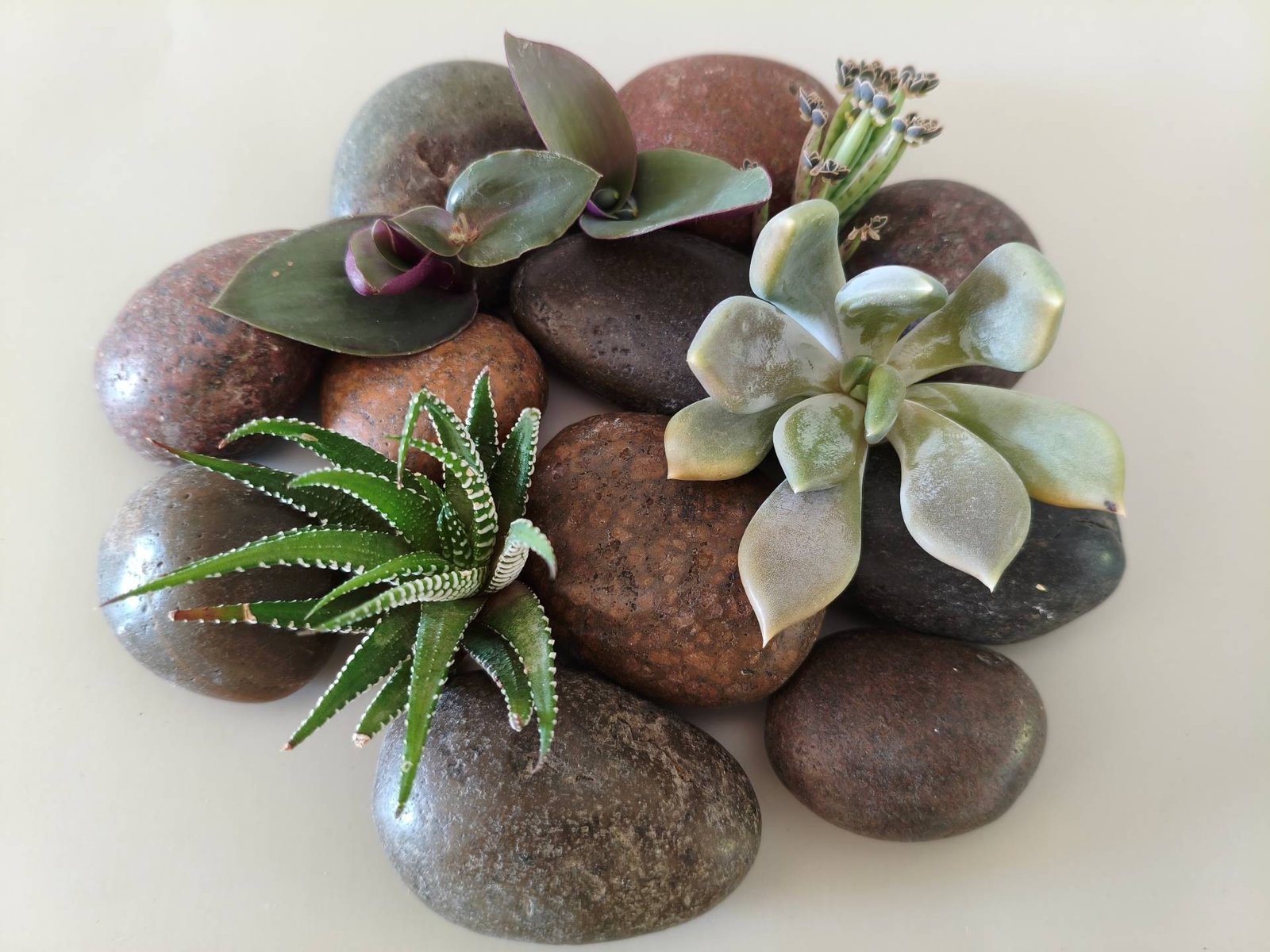
    • Echeveria: Known for their beautiful, tight, rose-like rosettes.
    • Jade Plant (Crassula ovata): Features thick, woody stems and glossy green, coin-shaped leaves.
    • Aloe Vera: Famous for its fleshy leaves containing a soothing, gel.
    • Haworthia: Small, slow-growing plants with striking white bands or bumpy foliage.
    • Snake Plant (Sansevieria): Features stiff, vertical, sword-like leaves adapted to survive dry climates

    We have all been there. You buy a super cute, tiny succulent from the store. It looks perfect on your desk. But a few weeks later? It turns into mush or drops all its leaves.

    Don’t worry, you are not a bad plant parent!

    The secret to succulents is simple: they are desert plants. They store water in their fat, juicy leaves so they can survive a long time without rain. To keep them happy, we just need to treat them like they are still in the desert!

    Light Requirements

    • Bright Light: Provide at least 4 to 6 hours of bright, direct sunlight daily.
    • Indoor Placement: Place them near a South or West-facing window.
    • Low-Light Warning: If they stretch out and grow tall, they need more light.

    Watering Guide

    • Soak and Dry: Pour water until it runs out the bottom drainage hole.
    • Let Soil Dry: Never water again until the soil is 100% bone dry.
    • Seasonal Check: Water every 1–2 weeks in summer, and only once a month in winter.
    • Mist Mistake: Do not spray or mist them with water. It causes rot.

    Soil & Pots

    Terracotta Pots: Clay pots are best because they absorb excess moisture from the soil.

    Drainage Holes: Always use a pot with holes at the bottom to drain excess water.

    Gritty Soil: Use a specialized cactus and succulent soil mix.

    DIY Mix: Mix regular potting soil with 50% perlite or coarse sand.

    Even easy-care plants can struggle if they’re not given the right conditions. Here are a few mistakes to avoid:

    • Watering too frequently.
    • Using soil that holds too much moisture.
    • Keeping them in low light.
    • Choosing pots without drainage holes.
    • Letting water collect around the roots.

    It is hard not to love these little plants! First, they look like living art, coming in beautiful geometric shapes and colors like pastel pink, deep purple, and bright green. ✨

    They are the perfect way to add life to a bedroom, desk without taking up much space. Plus, they are the ultimate plant for busy people.✨

    Since they hold water in their leaves, they do not mind if you forget to water them for a week or two. They give you all the joy of being a plant parent with almost none of the stress!

  • Soy Candles: What They Are and Their Benefits

    Soy Candles: What They Are and Their Benefits

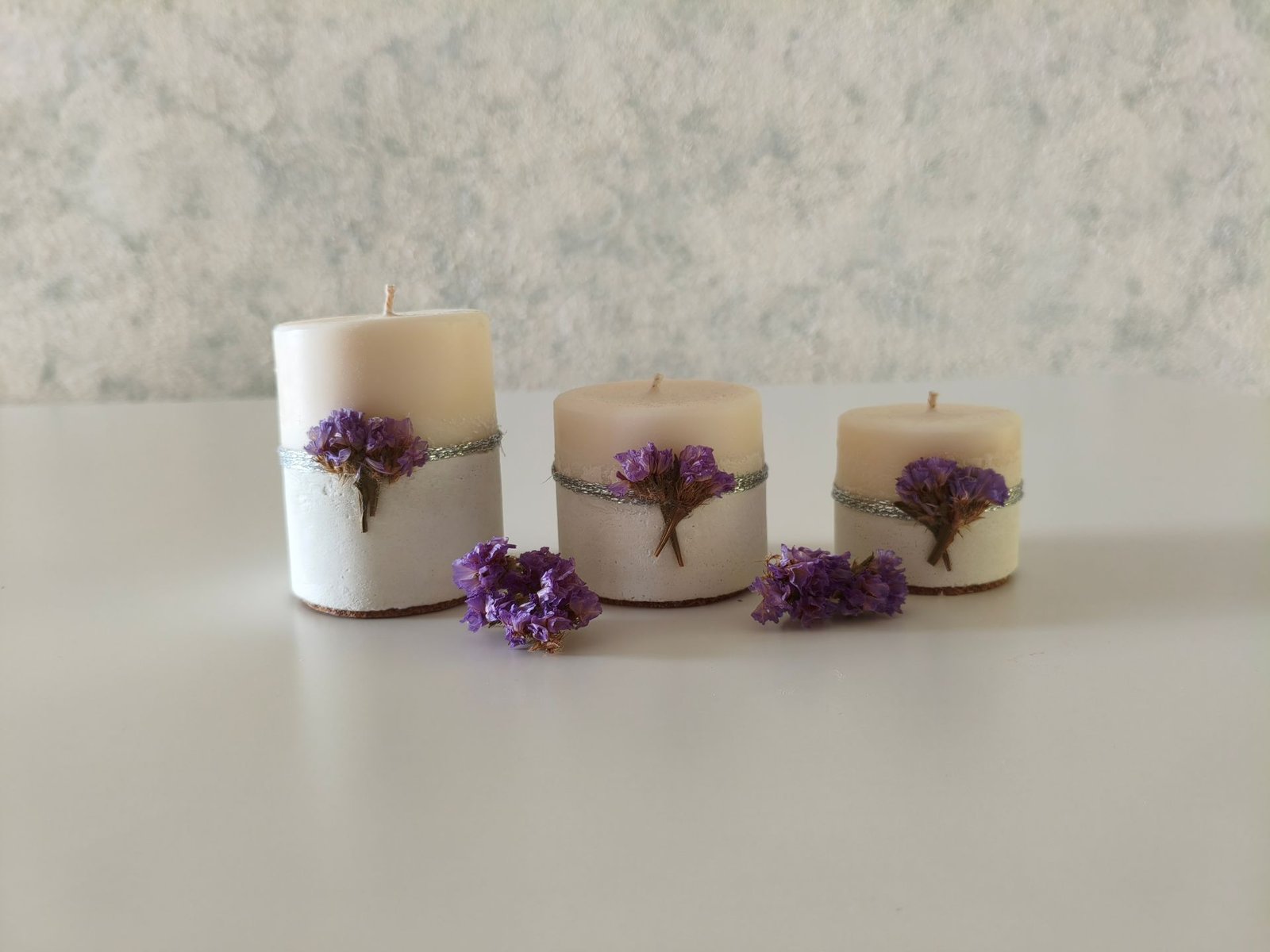
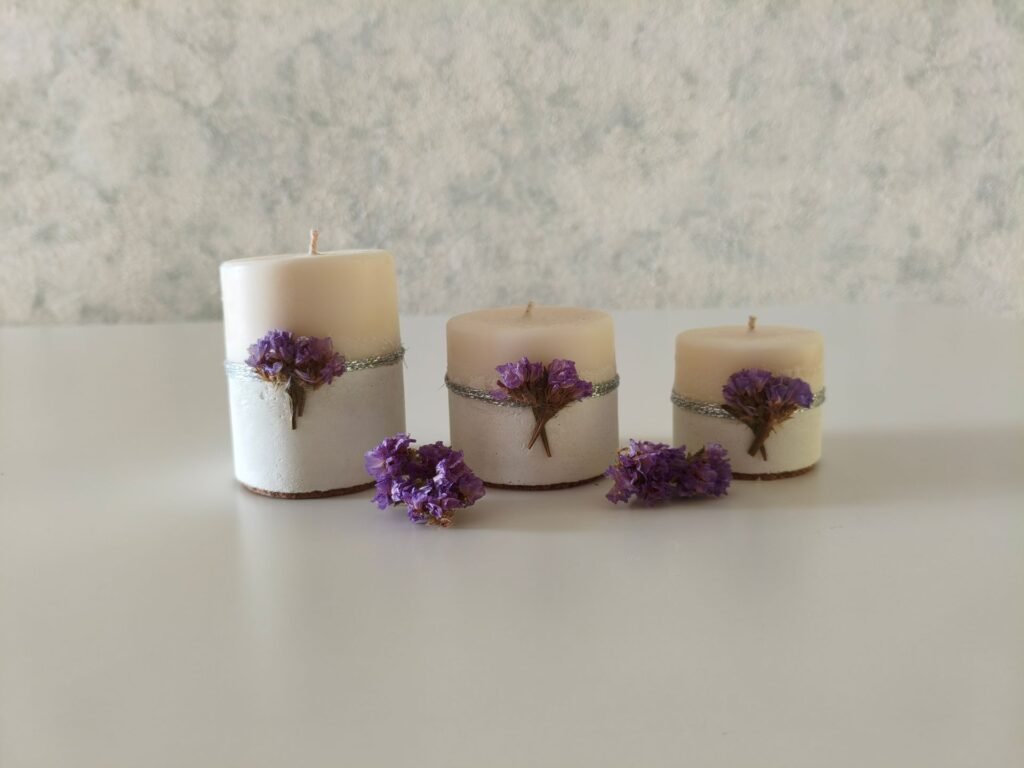
    soy candle

    There is something truly special about the warm glow and gentle fragrance of a candle. A simple flame can transform a space, create a relaxing atmosphere, and make everyday moments feel a little more beautiful.

    In recent years, soy candles have become a popular choice among candle lovers and handmade creators. But what makes them different from traditional candles, and why are so many people choosing them?

    Soy candles are candles made from soy wax, a natural wax created from soybean oil. Unlike paraffin wax, which is made from petroleum, soy wax comes from a renewable plant-based source.

    Because of its natural origin, soy wax has become a favorite material for many candle makers who want to create beautiful handmade candles with a more sustainable approach.

    Soy wax has a smooth, creamy appearance and works wonderfully with different fragrances, making it ideal for creating candles for every season and every style of home.

    Want to learn more about Soy Wax and Candles? Read more on Wikipedia.

    1. A Cleaner Burn

    One of the main reasons people love soy candles is their clean-burning quality. Because soy wax is natural, it produces significantly less black soot and indoor pollutants than petroleum-based waxes. This keeps your walls, ceilings, and indoor air cleaner.

    2. Longer Burning Time

    Soy wax melts at a lower temperature, allowing the candle to burn slower and typically last 30% to 50% longer than a paraffin candle of the same weight. This allows you to enjoy your favorite fragrance and the beautiful candlelight for more hours.

    3. Better Fragrance Experience

    Soy wax holds fragrance exceptionally well. Since it melts at a cooler temperature, it releases the scent oils slowly, allowing the fragrance to unfold steadily in the room

    4. A More Sustainable Choice

    Soybeans are a sustainable, agricultural resource. The wax is also biodegradable and vegan, making it popular among eco-conscious consumers. Also unlike petroleum waxes, soy wax is easy to wipe up with standard soap and hot water if a spill occurs.

    5. Perfect for Handmade Creations

    Soy wax is loved by many candle makers because it is versatile and easy to personalize. With different fragrances, colors, containers, and decorations, every candle can become a unique handmade creation.

    A candle is more than just a source of light. It can create a feeling, bring warmth to a room, and become part of special moments.

    Whether you enjoy a quiet evening at home, want to create a cozy atmosphere, or love handmade decorations, soy candles are a beautiful way to add a little more comfort and beauty to your everyday life.

    Making your own candles can also become a relaxing creative journey—a chance to slow down, experiment, and enjoy the satisfaction of creating something with your own hands.

    Sometimes, a small flame can make a big difference.

  • The ultimate Beginner’s Guide to Air Plants! Tips And Decor Ideas!

    The ultimate Beginner’s Guide to Air Plants! Tips And Decor Ideas!

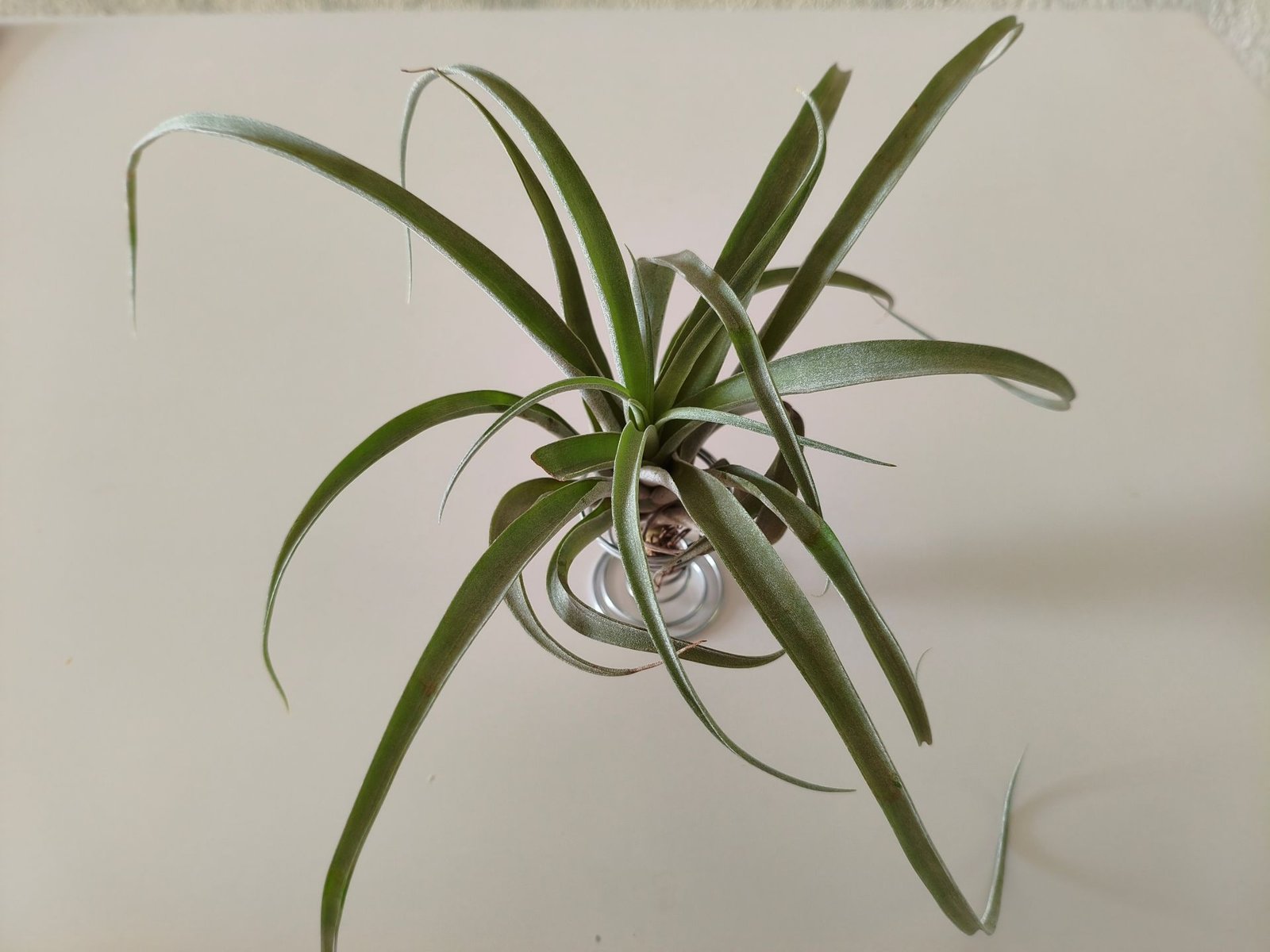
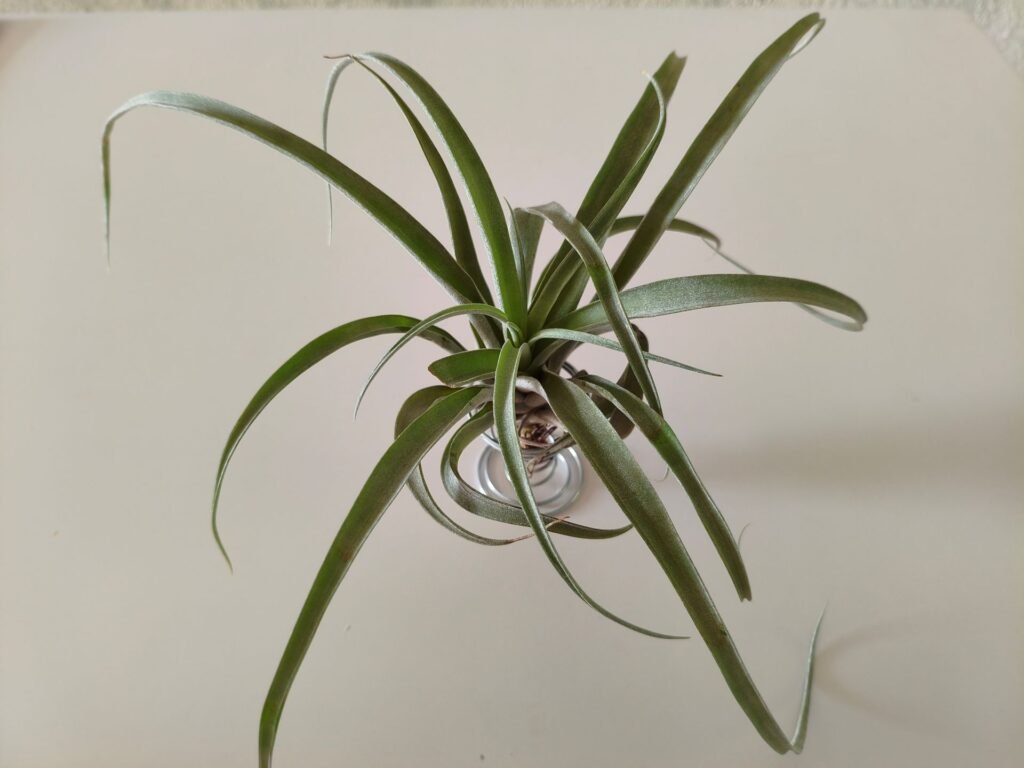
    An air plant on an air plants base

    Air plants (Tillandsia) are unique plants that don’t need soil to grow. In nature, they attach themselves to trees, rocks, or other surfaces without taking nutrients from them. Instead, they absorb water and nutrients through tiny scales on their leaves.

    They are epiphytes, meaning they use other objects only for support—they are not parasites and do not harm the plants or trees they grow on.

    Want to learn more about air plants? Read more on Wikipedia.

    Light: Bright, indirect sunlight is ideal.

    Water: Soak the plant in room-temperature water for 20–30 minutes once a week. In hot or dry climates, mist it between soakings if needed.

    Airflow: Good air circulation is essential. Let the plant dry completely within a few hours after watering by placing it upside down.

    Temperature: They prefer temperatures between 10°C and 30°C and should be protected from frost.

    Feeding: An air plant fertilizer once a month during the growing season helps keep them healthy

    • No soil required.
    • Perfect for small spaces.
    • Easy to display in glass terrariums, shells, driftwood, or hanging holders.
    • Available in many shapes and sizes.
    • Some varieties produce beautiful colorful flowers.

    Although they’re called air plants, they don’t live on air alone! They still need water, light, and nutrients—they simply absorb them differently than most plants.

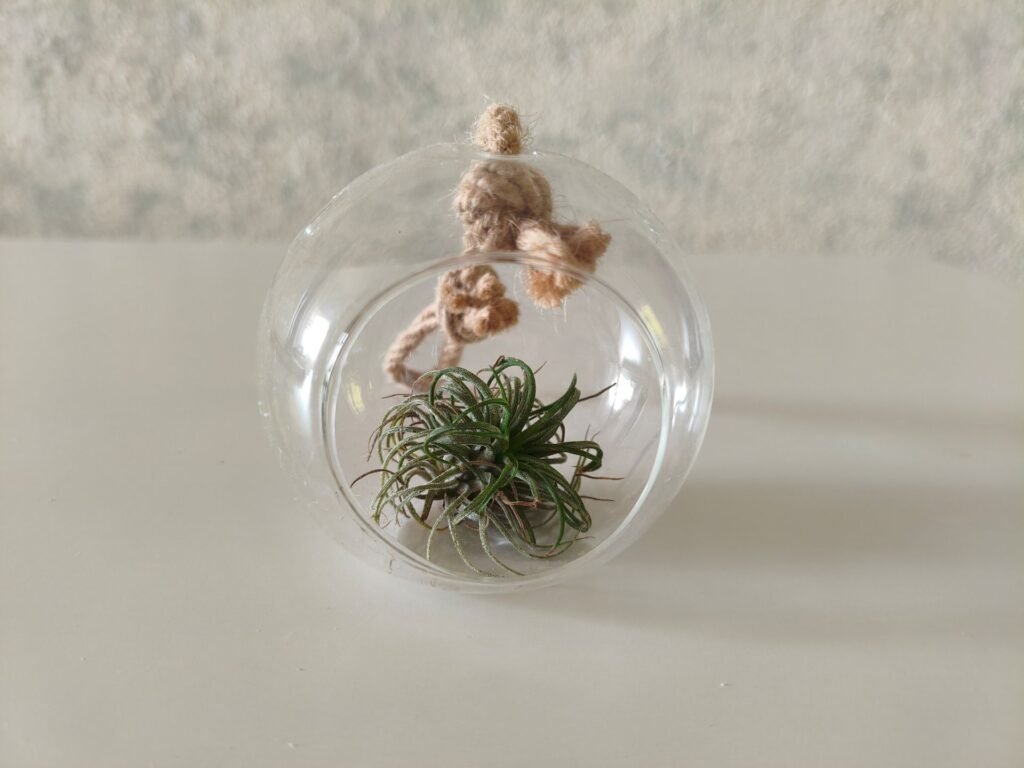
    An air plant inside a glass air plants hanging ball

    One of the best things about them is their flexibility. You can display them:

    • In open glass terrariums
    • Attached to cork bark
    • In hanging holders
    • On decorative stones or shells
    • As part of table centerpieces